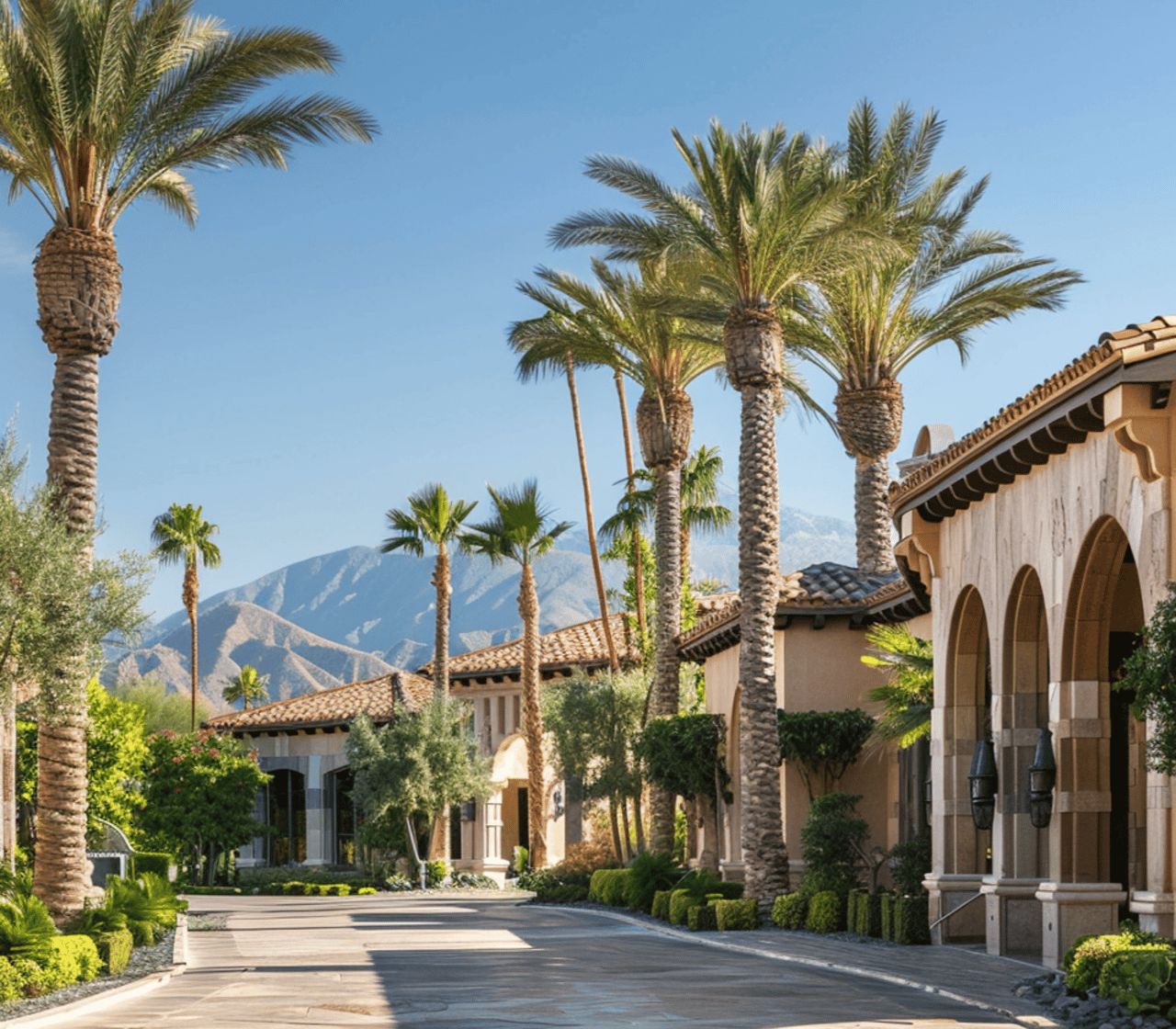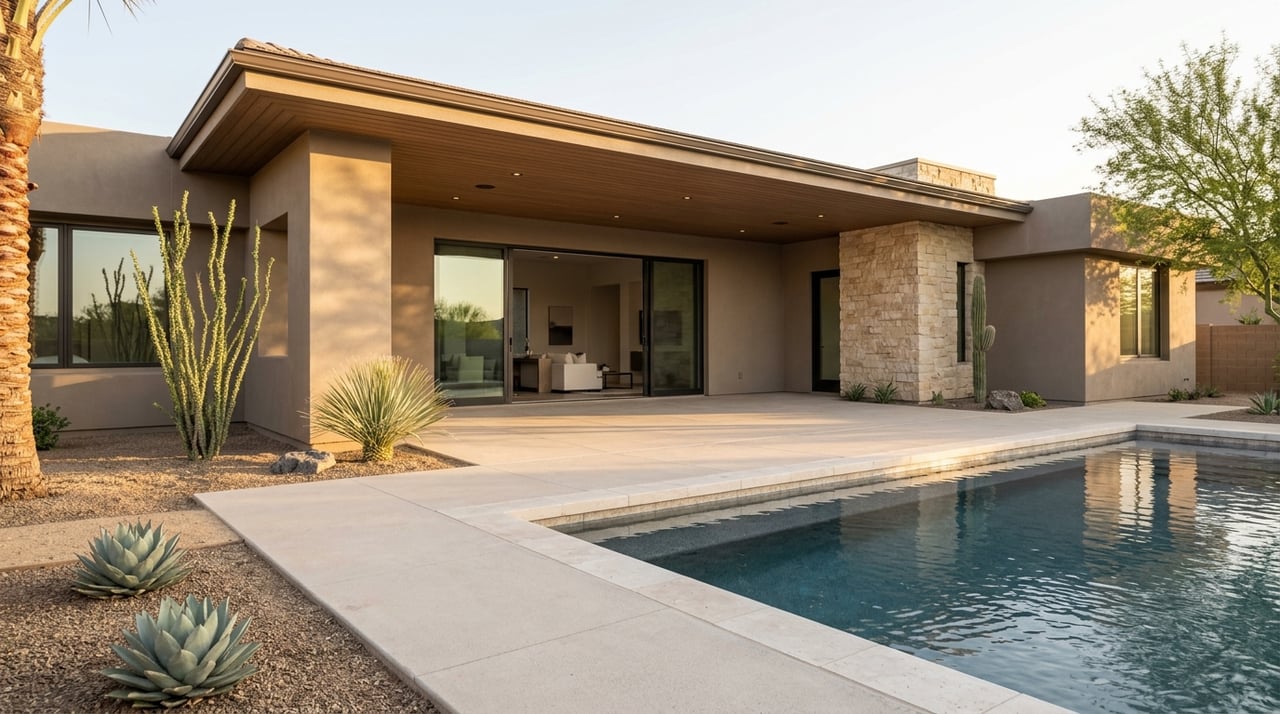
If you are selling a custom home in Circle G at Riggs, a standard listing plan is usually not enough. This is a niche custom-home market where buyers often compare lot utility, outdoor living, garage space, and finish level just as closely as square footage. When you understand how this pocket of Chandler behaves, you can make smarter decisions on pricing, preparation, and marketing. Let’s dive in.
Why Circle G at Riggs Needs a Custom Strategy
Circle G at Riggs Homestead Ranch operates more like its own submarket than a typical Chandler neighborhood. Public data places this community in Chandler, within Maricopa County, and shows a low-density custom-home setting with larger lots and a limited number of homes.
That matters because buyers here are not usually shopping by citywide averages alone. They are often comparing custom features, lot size, outdoor amenities, and how well each property uses its space. In a neighborhood like this, a broad Chandler benchmark can offer context, but it should not drive your pricing strategy.
Public neighborhood data also shows just how specialized this market is. Homes in the current active set range from about 3,226 to 6,632 square feet, with an average active list price around $2.18 million. With only a few active listings at a time, each home can shape buyer expectations in a meaningful way.
Price Your Home Against the Right Competition
Pricing a custom home in Circle G starts with one core idea: your real competition is nearby custom inventory, not the entire city. Recent neighborhood sales and current listings show a wide spread in both sale prices and days on market.
Public sales data shows a 2025 neighborhood median sale price of $1.8 million, compared with about $1.661 million in 2024 and $1.7125 million in 2023. At the same time, current active listings range from $1.525 million to $3.895 million, with days on market spanning from 11 to 202 days. That kind of spread tells you buyers are making sharp distinctions between homes.
Recent sales make the point even more clearly. One home at 2549 E Cherrywood Place sold for $1,585,000 at about $290 per square foot, while 2776 E Taurus Place sold for $1,950,000 at about $530 per square foot. In the same neighborhood, 2536 E Libra Place closed at $3,325,000 with 6,632 square feet and standout outdoor features like a pool, spa, built-in barbecue, playground, misting systems, and a five-car garage.
What buyers are comparing
In this neighborhood, buyers tend to weigh several features together rather than isolating one number.
- Lot size and usable outdoor space
- Garage count and storage flexibility
- RV access, RV gate, or additional parking
- Pool and spa configuration
- Outdoor entertaining features
- Single-level flow or layout efficiency
- Degree of renovation or finish quality
Because of that, price per square foot can be helpful, but only in context. A home with a larger lot, more useful exterior improvements, or upgraded amenities may justify a very different price position than another home with similar interior square footage.
Use Chandler Data Carefully
Citywide Chandler market numbers can still help frame the conversation, but they are secondary here. For context, Chandler single-family data in April 2026 showed a median sales price of $550,000, 63 days on market, 98.2% of list price received, and 3.1 months of inventory.
Those figures are useful for general market color. Still, they do not capture the custom-estate dynamics of Circle G, where homes sit on larger lots and often include specialty features that materially affect value. If you anchor too heavily to city averages, you risk either overpricing based on emotion or underpricing a home with strong custom appeal.
Prep the Lot Like It Matters
In Circle G, the lot is part of the product. The community’s low-density custom layout means exterior presentation carries real weight, especially when buyers are evaluating privacy, driveway presence, outdoor entertaining, and flexible storage or parking.
Before listing photos or showings, your exterior should feel intentional and easy to understand. Buyers should be able to see how the side yards, driveway, garage areas, and backyard spaces function without distraction.
Exterior prep priorities
- Clear side yards and service areas
- Freshen landscaping that may look stressed or uneven
- Clean patios, walkways, and hardscape surfaces
- Organize garage-adjacent storage areas
- Simplify RV parking or gate areas so they read as useful assets
- Make pool, spa, court, or entertaining areas look ready to enjoy
Recent sold homes in the neighborhood show why this matters. Buyers have paid for features such as private pickleball courts, RV access and parking, EV charging, built-in barbecues, misting systems, pools, spas, and oversized garages. When those features are present, they need to be presented clearly and cleanly.
Stage the Interior for Scale and Function
Large custom homes can be impressive in person but tricky on camera if the rooms feel too empty or undefined. In Circle G, listings often highlight open floor plans, soaring ceilings, expansive windows, large kitchens, game rooms, and multiple gathering spaces.
That means staging should do more than make the home look pretty. It should help buyers understand how each room lives. A good setup can make oversized spaces feel purposeful rather than hard to furnish.
What staging should accomplish
- Define conversation areas in large living spaces
- Show how bonus rooms or flex rooms can function
- Balance room scale without overcrowding
- Keep sight lines open to emphasize natural light and volume
- Support a clean, polished look in photos and showings
This is where concierge-style planning can make a real difference. When staging, layout, and photography all work together, buyers can better connect with the home’s scale and value.
Verify HOA Details Early
HOA details are easy to overlook until a buyer asks specific questions. In Circle G, public listing pages show an HOA is in place, with some homes reflecting quarterly dues around $120 to $140 and maintenance-grounds service included on certain listings.
Because the association name and details can vary by property page, it is smart to verify the current association packet, dues, included services, and any approval steps before going live. That helps you avoid delays and gives buyers cleaner, more consistent information from the start.
Market the Property Beyond Standard Photos
A custom estate in Circle G usually needs more than basic front-exterior shots and a room-by-room photo set. In this submarket, buyers are often choosing between homes based on privacy, lot layout, driveway approach, backyard amenities, and how the property sits on the site.
That is why visual marketing should capture the full property story. Drone views, twilight images, and lifestyle-focused photography can help show what standard listing images often miss.
Features your marketing should lead with
- Lot size
- Custom-home setting
- Garage count
- RV gate or RV parking
- Pool and spa features
- Outdoor kitchen or built-in barbecue
- Sport court or pickleball court
- Renovation level
- Single-level layout, if applicable
- Biking or walking path access noted in public listing data
In other words, your marketing should answer the same questions buyers are already asking. What makes this home more useful, more polished, or more complete than the next option?
The Biggest Mistakes Sellers Can Avoid
One of the most common mistakes is pricing from a broad city perspective instead of a narrow custom-home comp set. Another is putting most of the prep budget inside the home while underestimating the value of exterior presentation.
Sellers can also lose momentum when oversized rooms are left visually undefined or when HOA details are not confirmed early. In a neighborhood with limited inventory and high buyer expectations, small gaps in presentation can make a home feel less dialed-in than it really is.
A better path is a coordinated plan that covers pricing, prep, staging, visuals, and listing details together. That kind of workflow tends to create a more confident launch and a stronger first impression.
Why the Right Listing Plan Matters
The difference between an average result and a standout result in Circle G often comes down to three things: choosing the right comp set, presenting the lot as a usable asset, and clearly showing the value of outdoor features, parking, and storage alongside interior finish level.
That is exactly where a high-touch listing strategy can help. When your sale involves a custom home, a larger lot, and feature-rich outdoor living, you need more than broad market knowledge. You need a plan that matches how buyers actually shop this neighborhood.
If you are getting ready to sell in Circle G at Riggs, Avenue 4319 can help you build a pricing, staging, and marketing strategy designed for a custom Arizona home.
FAQs
What makes pricing a custom home in Circle G at Riggs different from pricing a typical Chandler home?
- Circle G behaves like a niche custom-home submarket, so pricing should focus on nearby custom comps, lot utility, outdoor amenities, garage space, and finish level rather than citywide Chandler averages alone.
What should sellers prepare first before listing a home in Circle G at Riggs?
- Start with the exterior and lot presentation, including landscaping, hardscape cleaning, side-yard organization, parking areas, and outdoor living features, then stage the interior to define the scale and function of large rooms.
What outdoor features matter most to buyers in Circle G at Riggs?
- Recent neighborhood sales suggest buyers pay close attention to pools, spas, built-in barbecues, misting systems, RV gates, RV parking, oversized garages, sport courts, pickleball courts, and well-planned entertaining spaces.
Should sellers use Chandler market averages to set a list price for a Circle G home?
- Chandler data can provide general context, but it should not be the primary pricing anchor because Circle G custom homes trade on a very different set of features and buyer expectations.
Why is professional marketing so important for a Circle G custom home sale?
- In this neighborhood, the lot, privacy, driveway presence, and backyard program are part of the value, so strong visual marketing helps buyers understand the full property story beyond standard interior photos.