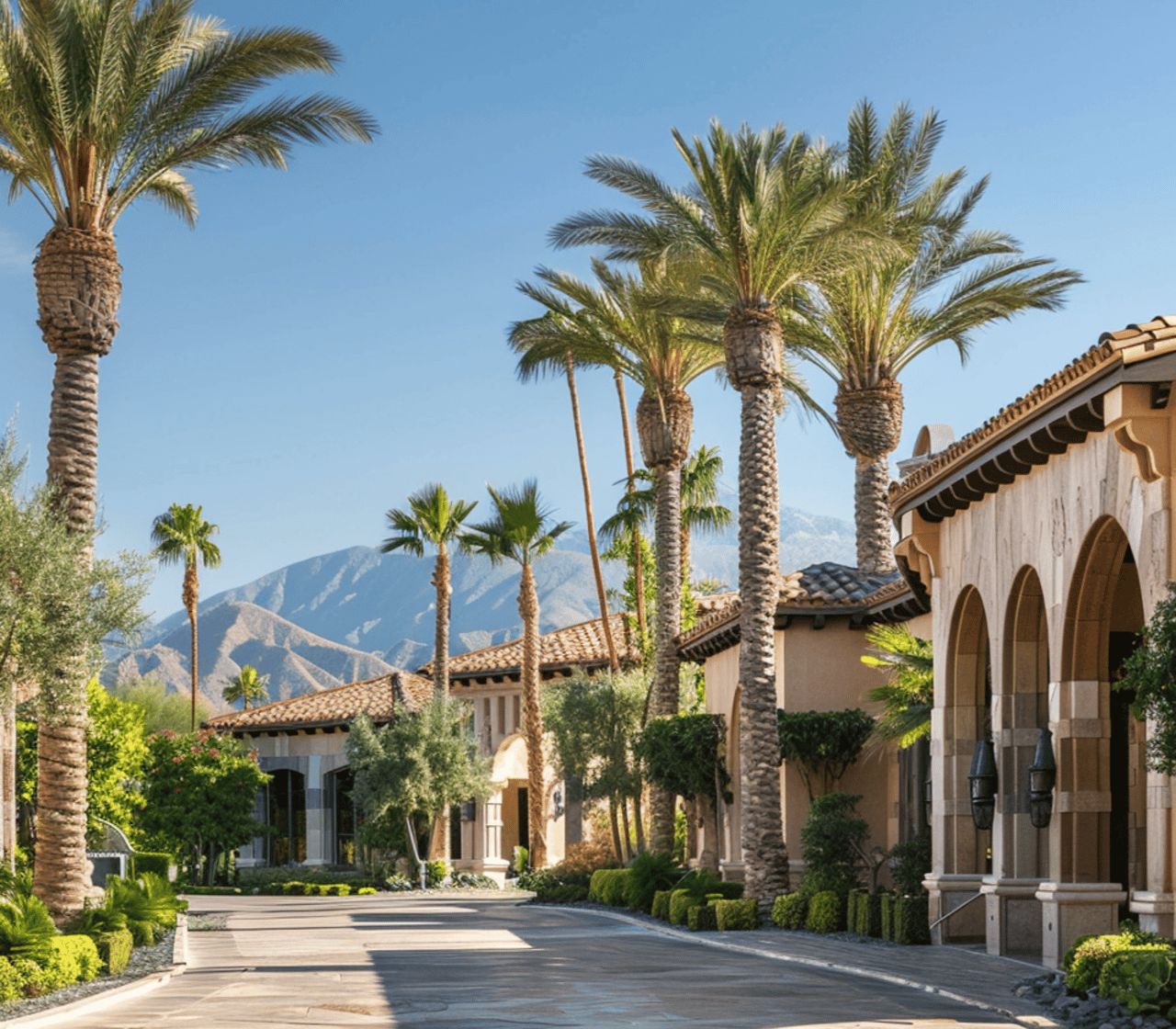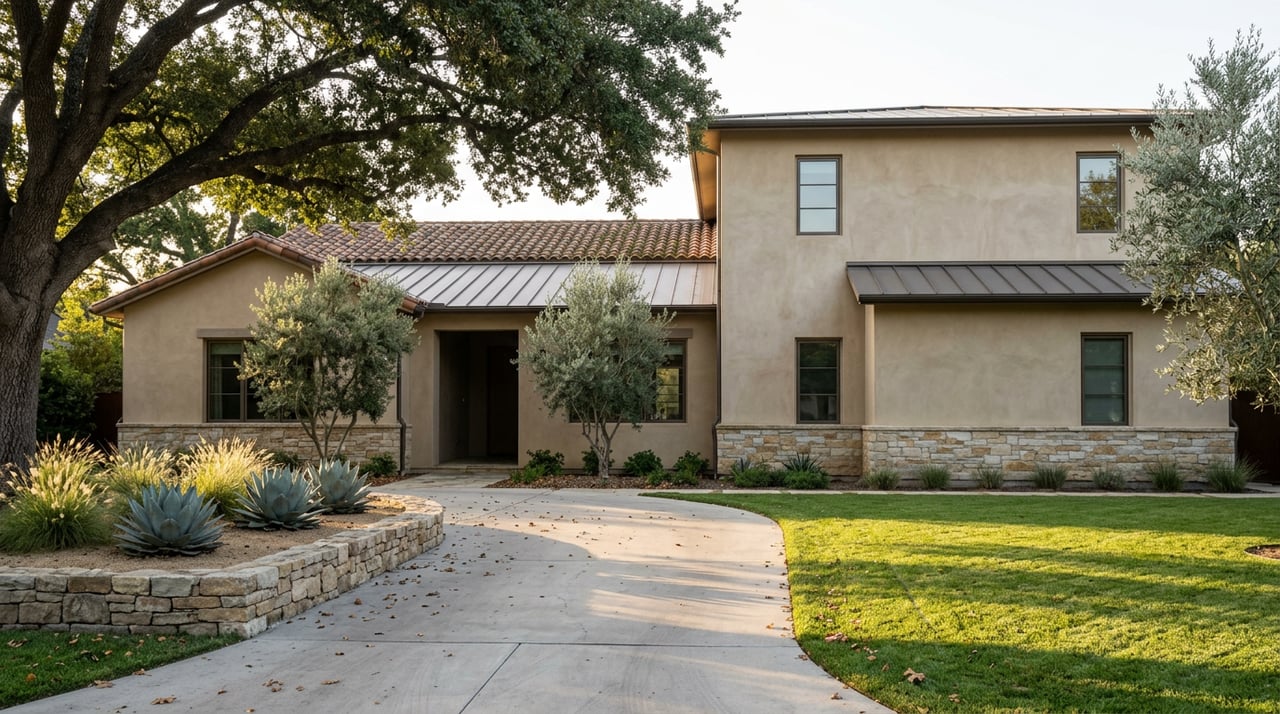
Picture a seller in Circle G at Riggs Homestead Ranch who accepts a strong offer, feels good about the number, and then watches the appraisal come in low. Not because the home isn't worth it. Because the appraiser searching for comparable sales inside a one-acre custom-lot community built out over two decades can't find three matching homes that sold in the last six months. That gap between what a home is worth and what an appraisal can support isn't rare here. It's built into how this neighborhood is structured, and it's the single most useful thing to understand before you list or write an offer in Circle G.
The map boundary hides the real story
Search portals draw a single neighborhood boundary around this pocket of Chandler and call it Circle G Riggs Ranch Homestead. Inside that boundary sit homes from at least three distinct developments: the original Circle G at Riggs Homestead Ranch custom estate lots, the neighboring Riggs Ranch Meadows subdivision, and Countryside Estates. These aren't three names for the same place. They're separate communities, built at different times, on different lot configurations, with different construction, that happen to share a zip code and a map pin.
That matters at appraisal time because an automated valuation model or a rushed comp search doesn't know the difference. It sees "Circle G Riggs Ranch Homestead" as a label and pulls whatever recently sold inside that boundary, whether it's a custom estate on three quarters of an acre or a production-built home on a standard cul-de-sac lot in Riggs Ranch Meadows. If your home is the former and the comp is the latter, the valuation gap shows up right when you need the number to hold.
One acre, one home, one build year, all different
The original Circle G at Riggs Homestead Ranch community, located just west of Gilbert Road between Chandler Heights Road and Riggs Road, is a gated enclave of 196 lots ranging from three quarters of an acre to over an acre. It was built out between 1996 and 2016, which means a 2026 comp search inside this single subdivision can span twenty years of construction styles, finish levels, and additions. No two homes were built from the same plan.
| Detail | Circle G at Riggs Homestead Ranch |
|---|---|
| Lot count | 196 |
| Lot size | 0.75 to 1+ acre |
| Build era | 1996 to 2016 |
| Home size range | roughly 2,277 to 8,873+ square feet |
| HOA fee | $1 to $147 per month |
| Average annual property tax | approximately $4,940 |
| HOA amenities | walking and biking path, tennis courts, playground, horse facility |
| Financing | FHA and VA approved project |
That size range alone tells you why a single average number is close to useless here. A 2,300 square foot home and an 8,800 square foot home sitting on similar acre lots are not the same asset, and an appraiser working from a thin pool of neighborhood sales has to reach outside the subdivision to find anything genuinely comparable, which opens the door to using homes that don't share the acreage, the custom build quality, or the amenities this community was built around.
What a $1 HOA fee actually tells an appraiser
Circle G's HOA dues run as low as $1 and as high as $147 a month, and the community is largely self managed rather than run through a professional management company. That's a lifestyle plus for residents who value autonomy over amenities, but it also means less of the standardized paperwork and reserve reporting that a professionally managed HOA generates automatically. Appraisers and lenders often lean on HOA documentation to verify community standards and amenity value. A lighter-touch, self-managed HOA means that documentation has to be requested and assembled rather than pulled from a management portal, which can add a step to a transaction timeline that a buyer or listing agent should plan for rather than discover midway through escrow.
The average annual property tax bill across the community, right around $4,940, is a useful anchor for buyers estimating carrying costs, but it also varies with each home's assessed value, so treat it as a starting point for your own math rather than a number to lock in before closing.
The price range moved, but averages hide the spread
Marketing pages for the community dating back to around 2018 priced homes here from $750,000 up to roughly $1.85 million. As of August 2026, six active listings inside the same boundary are averaging closer to $2.4 million in asking price. That's a real jump, and it reflects genuine appreciation in a low-inventory acre-lot product that Chandler simply isn't building more of. But an average asking price across a handful of active listings is not the same as a set of comparable closed sales, and treating it as one is exactly the kind of shortcut that gets a listing priced wrong or an offer written on a shaky assumption.
Chandler itself isn't a single market to appraise against. One Chandler-based appraisal firm has noted that the city functions as a collection of distinct sub-markets, each with its own demand drivers and valuation complexities, shaped by things like the region's tech-driven employment base and neighborhood-specific amenities. A custom acre-lot enclave built out over twenty years is about as far from a monolithic market as Chandler gets, which is exactly why leaning on a citywide or even a same-zip-code median can mislead a seller into pricing too high or a buyer into assuming a low appraisal means a bad deal, when it may just mean a thin comp pool.
What this means if you're listing or writing an offer
A few things make a real difference in a community like this:
- Build the comp packet before you list, not after an appraisal falls short. Pull sales from the true Circle G footprint first, then expand deliberately to homes with matching lot size, square footage, and build era rather than whatever else falls inside the shared map boundary.
- Document upgrades and lot specifics in writing. In a self-managed HOA without a formal amenity ledger, a clear record of renovations, pool additions, and lot improvements gives an appraiser something concrete to work from.
- Ask which subdivision a comp actually belongs to. A home listed as "Circle G" in a portal search may sit in Riggs Ranch Meadows or Countryside Estates. Confirm before you rely on it.
- Price with a range in mind, not a single number pulled from recent asking prices. The spread between active list prices and likely appraised value is wider here than in a standard tract neighborhood.
- If you're financing with FHA or VA, confirm project approval status early. The community carries that designation, which widens the buyer pool beyond cash and conventional financing, but confirming current status before writing an offer avoids a late surprise.
None of this changes the fact that Circle G at Riggs Homestead Ranch is a genuinely desirable, low-inventory product in a market that keeps building production homes instead of acre lots. It just means the number on the sign and the number an appraiser will support don't move in lockstep the way they do in a subdivision built from three repeating floor plans.
A few questions worth asking before you write an offer here
Is Circle G at Riggs Homestead Ranch gated? Yes, the original 196-lot community is a gated enclave.
Does the HOA cover much beyond common areas? The HOA is self-managed with dues ranging from $1 to $147 a month, covering shared amenities like the walking and biking path, tennis courts, and playground rather than a full-service management structure.
Can buyers use FHA or VA financing here? The community carries FHA and VA project approval, which matters for buyers who aren't paying cash or using conventional financing, though it's worth confirming current approval status with your lender before writing an offer.
If you're weighing a listing or an offer in Circle G at Riggs Homestead Ranch, the comp work is the part worth getting right before anything else. That's the kind of detail our team walks through with every custom-lot seller and buyer we work with across Chandler. Reach out to Avenue 4319 and start with a Get Your Free Home Valuation, we'll build the real comp picture before a lender's appraiser has to.